Exploring the Impact of Therapeutic Horse Riding (THR) on Children with ASD
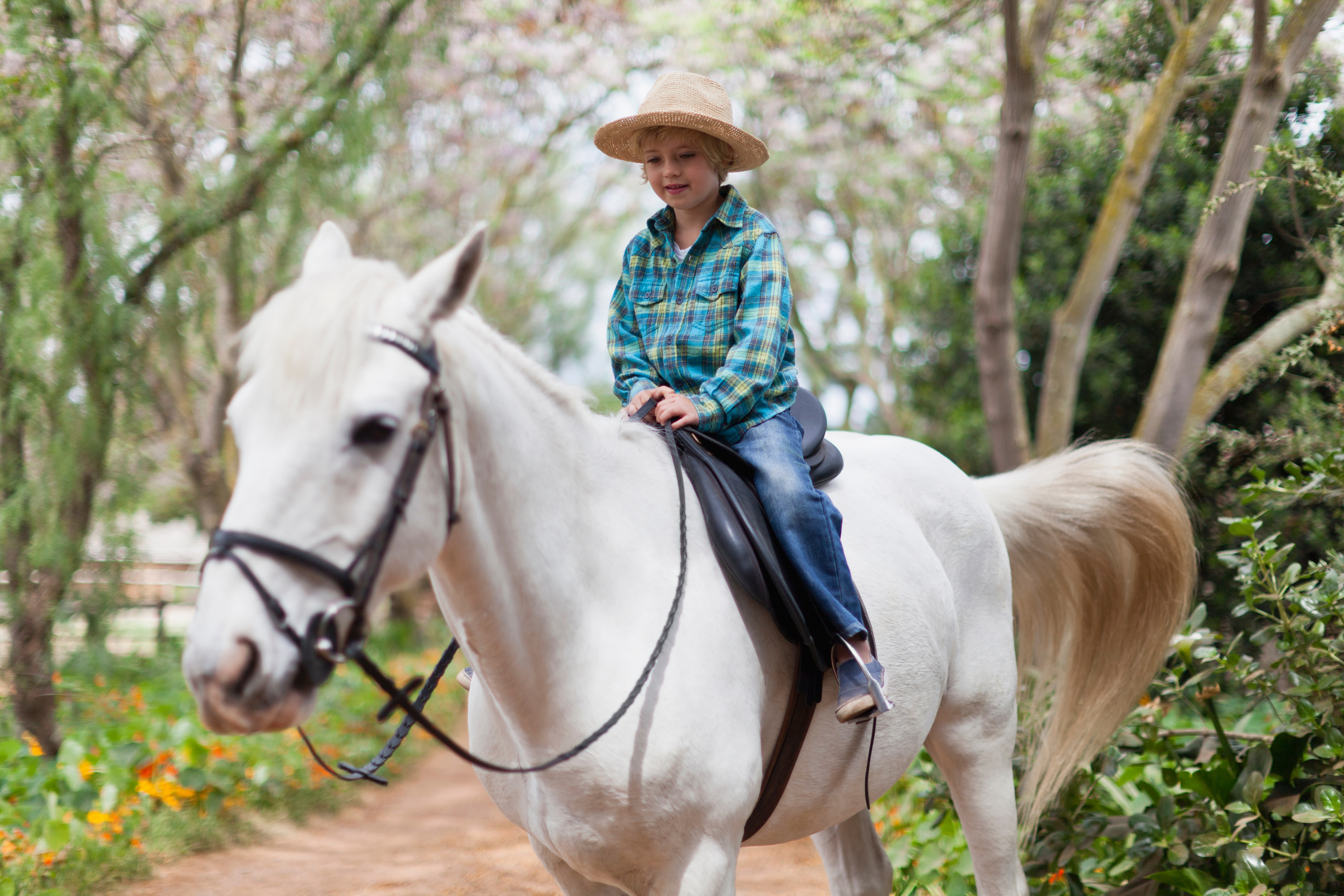
Therapeutic Horse Riding (THR) has gained recognition for its potential to enhance the social skills of children with Autism Spectrum Disorder (ASD). Although earlier studies hinted at these benefits, recent research by Robin Gabriels and team offers a deeper understanding by involving a more extensive participant pool.
The study enlisted 127 ASD participants, aged 6-16, categorized randomly into two groups. One group underwent a 10-week THR intervention, while the other engaged in non-horse-related barn activities (BA). Assessments were conducted both prior to and following the study, with evaluations performed by impartial raters. Additionally, weekly behavioral assessments were provided by the participants’ caregivers.

The results were striking. The THR group displayed remarkable advancements in measures of irritability and hyperactivity compared to the BA group. Moreover, the THR intervention showcased positive impacts on crucial areas like social cognition, social communication, and language development. What’s more, these improvements persisted even after adjusting for factors such as age and IQ.
"Therapeutic Horse Riding (THR) opens new doors for children with Autism Spectrum Disorder, offering not just a physical experience but a path towards improved social interaction and development. This study reaffirms the potential of equine therapy to transform lives and inspire hope."
This study substantiates the potential of THR as a valuable therapeutic option for children dealing with ASD. The positive outcomes witnessed across various domains offer a promising outlook, encouraging further exploration of THR’s role in enhancing the lives of these children.
We extend our sincere appreciation to Paul Whitely for his invaluable review of this significant study.